
Getting Started
Master your Stream Machine water launcher with our official usage guide. Learn the proper dip-and-pull filling method, techniques to shoot up to 70 feet, and the best water sources for maximum performance and fun.
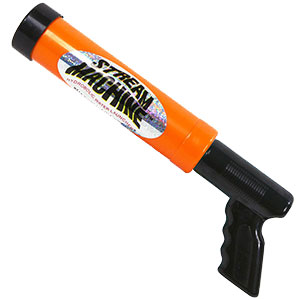
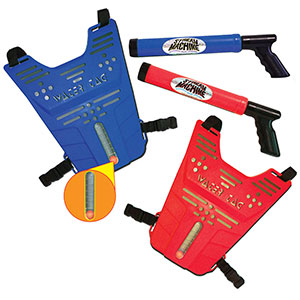
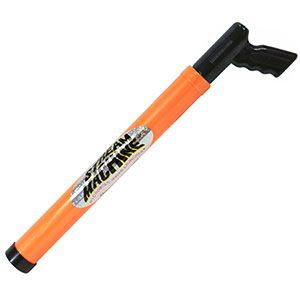
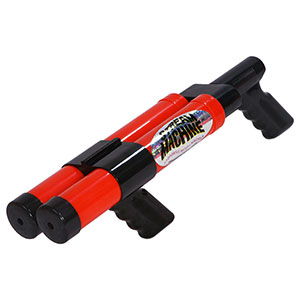
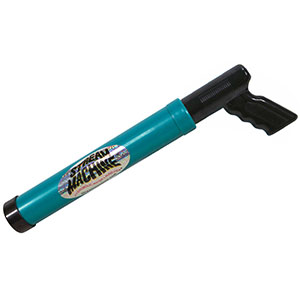
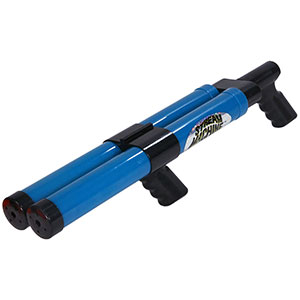
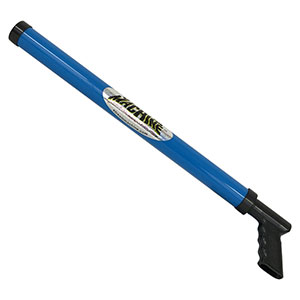
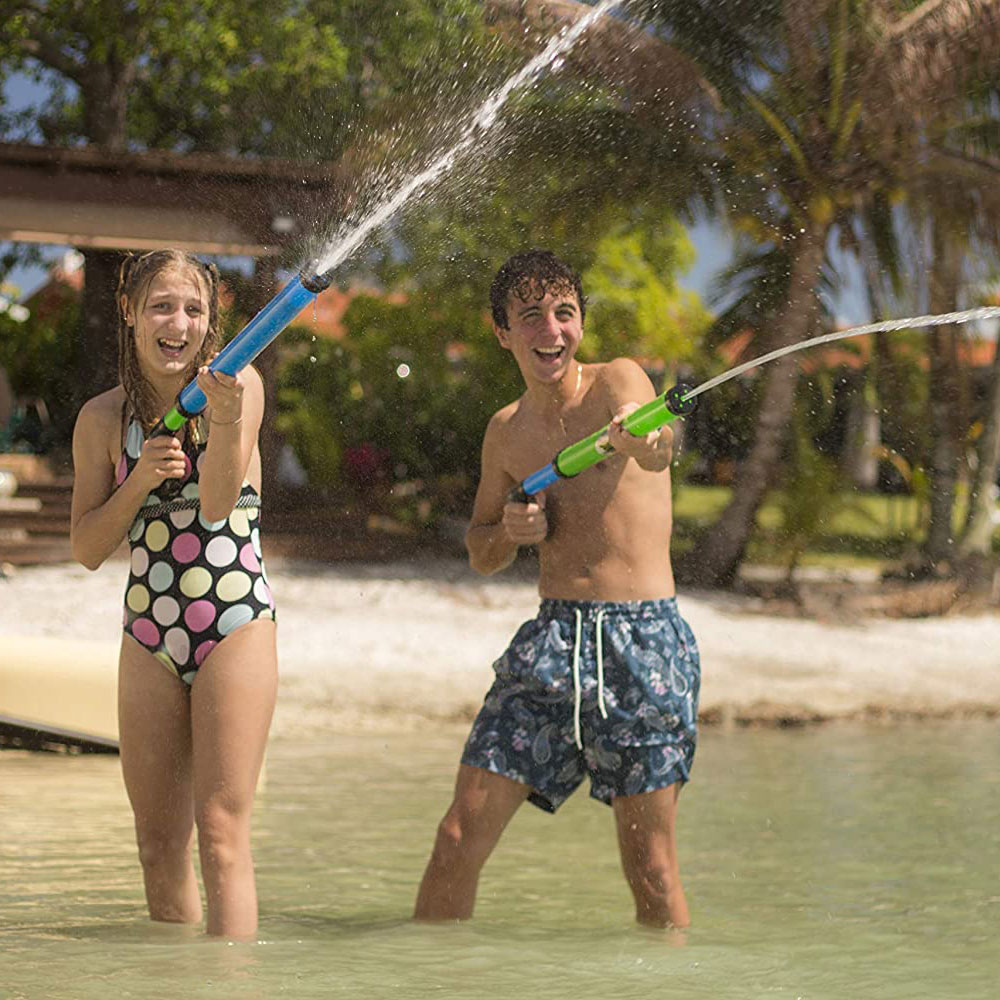
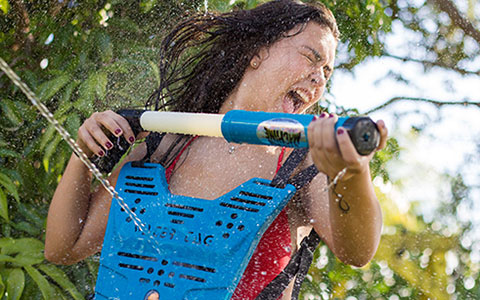
When you pull the handle back, it creates a vacuum that draws water into the barrel. When you push the handle forward, the piston forces that water out of the front nozzle in a concentrated, high-pressure stream. This allows the launcher to fire a solid column of water up to 70 feet, far outperforming traditional reservoir-based water guns that require pre-pressurizing air.
Operation is broken down into three simple steps:
For maximum range and performance, the barrel must be filled correctly to avoid drawing in air. If the nozzle is not fully submerged during the "pull" phase, air pockets will form inside the tube, which reduces internal pressure and causes the stream to spray or break apart prematurely. Additionally, the speed and smoothness of your "push" directly impact the distance; a steady, forceful motion creates the most stable and long-reaching stream.
Because the Stream Machine draws water directly into the main barrel, it is susceptible to clogs if used in dirty or sandy water. To maintain peak performance, it is vital to keep the intake nozzle clear of grass, sand, and small pebbles. Many models feature a removable tip to make flushing out debris easier. Regularly rinsing the unit with fresh water after use in chlorine or salt water will also ensure that the internal piston and seals continue to slide smoothly without sticking.
Master your Stream Machine water launcher with our official usage guide. Learn the proper dip-and-pull filling method, techniques to shoot up to 70 feet, and the best water sources for maximum performance and fun.
Learn how Stream Machine water launchers work: dip the barrel to load, pull the handle to fill, and push to fire a powerful water stream. Includes tips for best range and fast reloads.
Step-by-step guide showing how to fill a Stream Machine water launcher using the dip-and-pull method. Learn how to avoid air pockets and get stronger water streams.
Learn the proper technique to shoot a Stream Machine water launcher up to 70 feet. Improve distance, pressure, and accuracy with simple step-by-step tips.
Find out how much water a Stream Machine water launcher holds and which water sources work best for refilling - pool, lake, bucket, tub, and more. Tips for stronger streams and cleaner refills.
Having trouble with your water launcher? Learn how to fix weak water pressure, stuck handles, or air in the tube. Our Stream Machine troubleshooting guide covers leaks, sand removal, and performance fixes to get you back in the game.
Fix a Stream Machine that is not shooting far. Learn the most common causes of weak streams - air in tube, poor fill, debris, seals - and simple step-by-step solutions.
Fix a Stream Machine handle that feels loose, sticks, or will not slide smoothly. Learn common causes like air, debris, swelling, and wear plus safe step-by-step solutions.
Learn why a Stream Machine may leak from the front nozzle and how to fix it. Common causes include air, partial fills, debris, worn seals, and pressure technique.
Fix air in the tube and remove sand or debris inside your Stream Machine. Learn how to prime properly, flush grit safely, and restore strong distance and pressure.
Learn how to clean and maintain your Stream Machine water launcher. Get expert tips on salt water rinsing, mold prevention, and off-season storage to ensure your launcher lasts for years.
Learn how to rinse and clean your Stream Machine after pool chlorine or salt water use. Simple flush steps help prevent buildup, sticking handles, and weak streams.
Keep your Stream Machine clean and odor-free. Learn how to drain, rinse, dry, and store your water launcher to prevent mold or mildew after pool, lake, or bucket use.
Protect your Stream Machine from sun and heat damage and store it correctly in the off-season. Learn drying, rinsing, indoor storage, and freezing prevention tips.
Contact options may differ depending on the type of help you need.